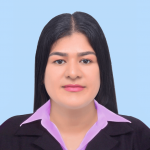
My name is Angélica Quimbaya. I was born and raised in the countryside of Colombia, located in Latin America. Colombia has been torn by conflict for decades. Since 1964, government forces, far-right paramilitary organizations, crime syndicates, and far-left guerrilla groups have fought for influence and control across the country.
Growing up, I witnessed the consequences of this conflict firsthand. The government neglected the rural area where I was from, people suffered from poverty, and there was extreme inequality between the rich and poor. Vulnerable groups were marginalized, education was out of reach, and healthcare remained inaccessible. Seeing these injustices every day shaped my beliefs, even as a young girl. I wanted to change the world and build a society that was fair and inclusive—one that didn’t make the rich richer and the poor poorer. Back then, I believed that taking up arms was the only way to reach this future.
When I was 13, I joined the Fuerzas Armadas Revolucionarias de Colombia (FARC-EP), the Revolutionary Armed Forces of Colombia. It was a non-state armed group that used military tactics and, at times, violent methods to pursue its goals.
Within the group, I served as a nurse for my comrades. I also assisted in producing and distributing radio broadcasts and communications.
However, the life I once imagined as exciting, heroic, and purposeful soon felt very different. I lost close friends in clashes with other armed groups, and I was wounded myself during an army attack on our division. Life became harsh, painful, and lonely. The scars from that period extend far beyond the ones visible on my body. I realized that this reality was no longer right for me and that I needed to make a change and break the seemingly endless cycle of violence.
In 2016, an opportunity for such change finally came. The Colombian government and the FARC decided to sign a peace agreement. This historic agreement entailed a bilateral ceasefire, the cessation of hostilities, and the surrender of weapons on both sides, officially ending the conflict that had been going on for over 50 years. I decided to lay down my arms as well. It was a difficult decision, as I was leaving behind the life that I had known ever since I was a young girl. But it was also necessary.
I joined the reintegration process with hope, courage, and determination. The journey has not always been easy and peace often felt fragile: many of my former comrades who tried to return to society have been killed because of lingering associations with their past. True reconciliation still seemed far away.
But I chose to keep moving forward. Rather than resorting to methods of violence and hate, I decided to devote my energy and time to my community. Today, I live in a rural area of Colombia where I support other former combatants in their reintegration into society through escort and security services. I have also transitioned into work as a nurse and pharmacy assistant with the dream of studying psychology. Above all, I am a proud mother of two daughters, whom I raise with love and strength.
My past has shaped me, but it does not define me. I now dedicate my life to preventing young people from following the same path I once did. I support single mothers, children, and adolescents affected by the conflict, believing that expanding access to education, vocational training, job opportunities, and emotional support is necessary to break the chains of violence and achieve lasting peace.
My greatest motivation is to prevent the recruitment of young people by armed groups—I want them to know there are other options. I also promote reconciliation, because no one should lose someone they love to violence. Through my efforts, I hope to build a society where people can live together with dignity, safety, and harmony.
I want to continue being an agent of peace in my community and beyond. I hope to train other women ex-combatants, create spaces for collective healing, and open new paths for future generations.
No matter where we come from, we all deserve a chance to begin again.
Disclaimer: The views, information, or opinions expressed in this article are those of the author and do not necessarily represent those of Global Taskforce for Youth Combatants and Accept International.