GTY Youth Support Grant
GTY offers the GTY Youth Support Grant, a funding program aimed at supporting grassroots initiatives that address issues related to Youth Associated with Non-State Armed Groups (YANSAG).
2026 Grant Application
Applications for the 2026 grant have now closed. Information about the 2027 grant will be published on this page. Please check back for updates.
For information on the 2026 grant application guidelines and details on how to apply, please click the button below. Information on the 2025 grantees can be found at the bottom of this page.
Our Grantees and Their Projects for 2026
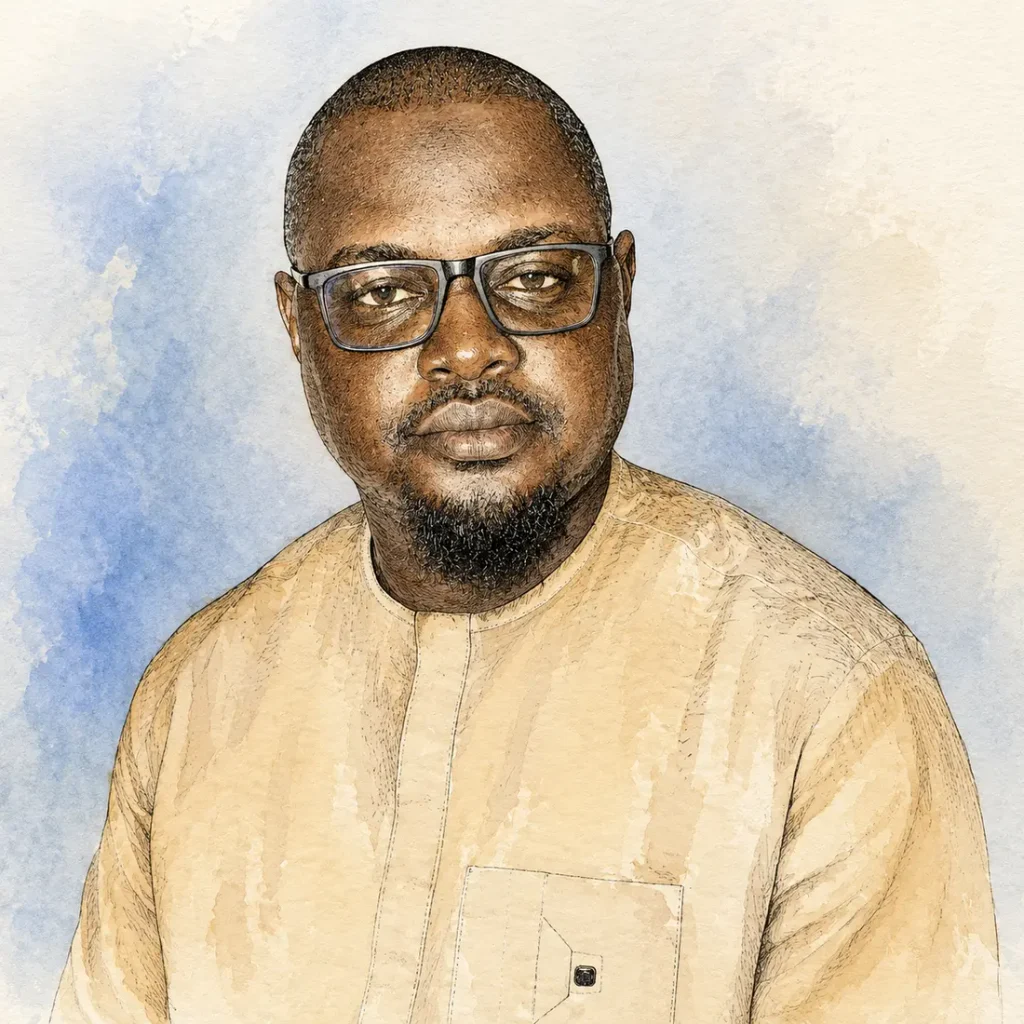
Programme for the Reintegration, Development, and Employment of Youth in Post-Conflict Timbuktu (PRIDE)
Grantee: Cellule de Soutien aux Initiatives de Développement et d’Autonomisation Communautaire (CSIDAC)
Tombouctou Region, Northern Mali
Personal Introduction and Motivation
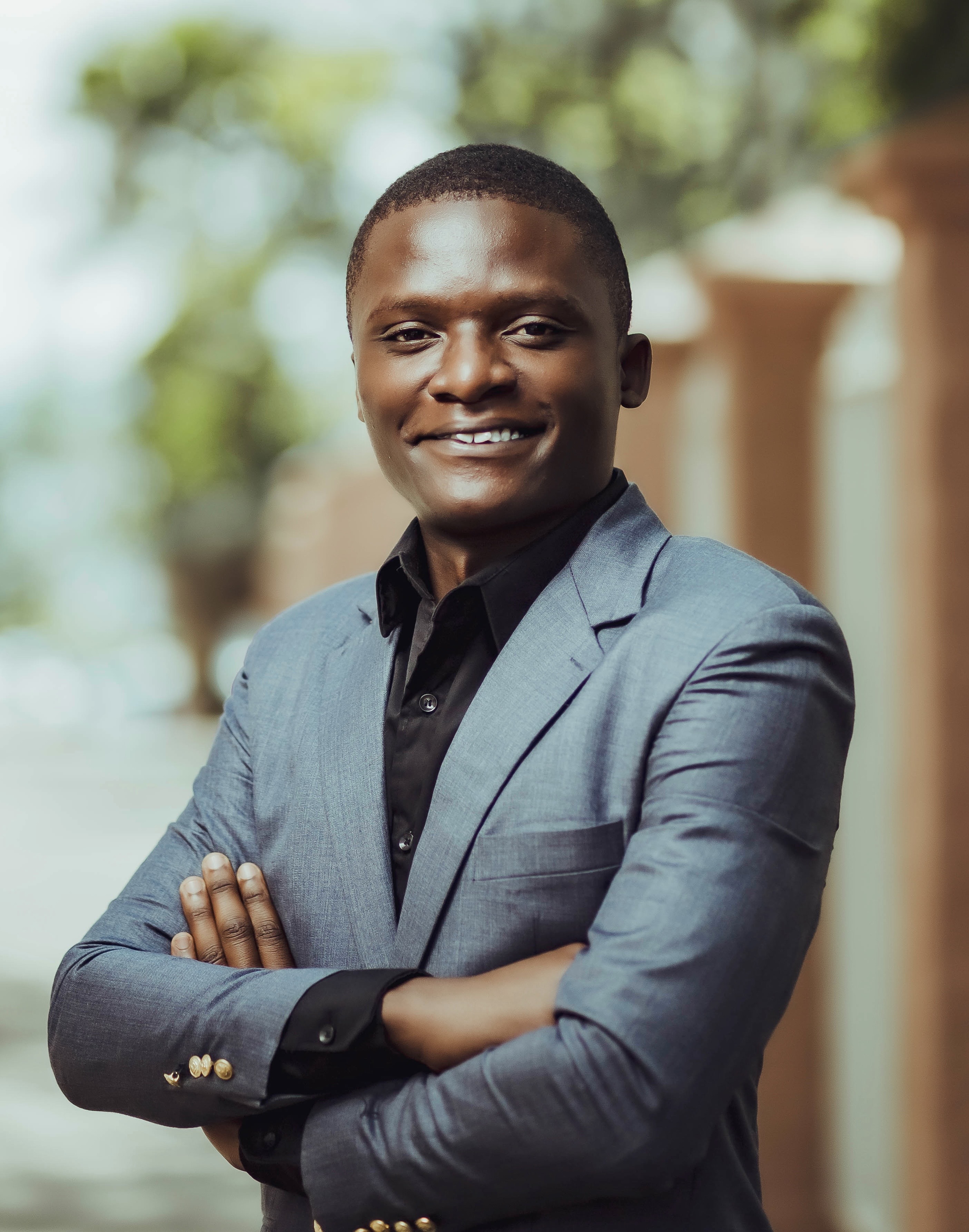
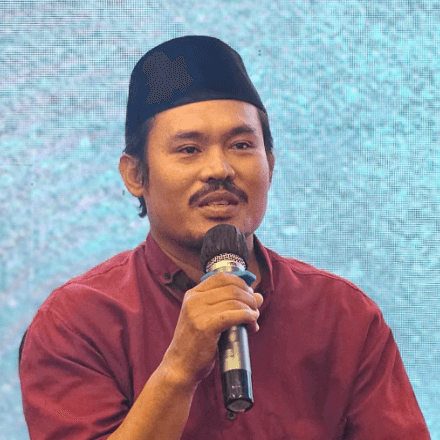
My name is Boureima Hama TOURÉ, and I am the President of CSIDAC (Cellule de Soutien aux Initiatives de Développement et d’Autonomisation Communautaire), a youth-led, community-based organization rooted in the Tombouctou region of Mali. CSIDAC is led by a committed team of young women and men, most of whom are between the ages of 18 and 35. Despite ongoing conflict and instability, they have chosen to remain in their communities and contribute to their development.
Having grown up and worked in this region, I have witnessed the deep scars left by more than a decade of armed conflict. These scars can be seen not only in damaged infrastructure but also in the lives of young people who were drawn into, or forced to join, non-state armed groups. Many of these young people were recruited not because of their beliefs, but because of poverty, desperation, and the lack of a viable future. As they return to their communities, they face rejection, unemployment, and unresolved trauma. These conditions threaten the fragile peace that local communities have worked so hard to build. My motivation for this project is deeply personal: I believe that no young person is born a combatant and that every young person has the potential to become a peacebuilder.
As a youth-led organization, CSIDAC understands the aspirations, frustrations, and realities of young people in our region because we share many of the same experiences. For years, we have worked at the grassroots level, mediating between communities and returnees, facilitating local dialogue, and implementing small-scale reintegration initiatives with limited resources. This project builds on that grassroots experience and reflects our shared commitment as young leaders to helping marginalized young people use their abilities to contribute to lasting peace and stronger communities in Tombouctou.
Project Overview
The PRIDE Program (Réinsertion, Intégration, Développement, Emploi) is a comprehensive reintegration and peacebuilding initiative designed to support 30 Youth Associated with Non-State Armed Groups (YANSAG) in the circles of Niafunké and Saraféré, in the Tombouctou region of Mali. The 12-month program is structured around three interconnected pillars. The first pillar focuses on psychosocial recovery and reintegration.
It provides a safe and supportive environment in which participants receive personalized assistance to regain stability and prepare for their return to civilian life. The second pillar focuses on socioeconomic integration through practical training in agroecological market gardening and micro-project management—two sustainable and promising fields in the Tombouctou region. Developing these skills will provide participants with a first step toward economic independence.
The third pillar focuses on community development and employment, using collective action to support reintegration. Participants will rehabilitate a community agricultural perimeter. In addition to creating a tangible benefit for the community, this activity will provide a setting for reconciliation dialogues involving community leaders and participants’ families.
This approach will help rebuild trust, create shared economic opportunities, and enable participants to contribute to the well-being of their communities. A key part of the program will be the establishment of a pilot cooperative to sustain economic activities beyond the project period. Peer-relay workers will also be trained to provide participants with continued support and mentorship within the community.
Background of the Project
The Tombouctou region of Mali has been profoundly affected by armed conflict over the past decade. During this period, many young people have become associated with non-state armed groups. As the region moves through a post-conflict phase, these young people—whether they have deserted, been released, or returned as former combatants—often find themselves without economic opportunities, excluded from community life, and struggling with psychological trauma that has not been addressed.
Communities frequently lack the resources and knowledge needed to support their reintegration. This can lead to continued stigmatization, unemployment, and insecurity. It also threatens fragile social cohesion and increases the risk of a return to violence.
There is an urgent need for community-based solutions that address trauma and gaps in practical skills while rebuilding trust between former combatants and their communities. Young people—both former combatants and their peers—also need safe spaces where they can share their experiences and take an active role in rebuilding their communities. CSIDAC has been working locally to respond to these challenges.
Our work is informed by a close understanding of local dynamics, community concerns, and the lived experiences of YANSAG. This project grew out of that field experience and our belief that sustainable peace requires inclusive recovery, mutual recognition, and meaningful youth leadership throughout the reintegration process.
Project Goals
The PRIDE Program seeks to achieve three interlinked and mutually reinforcing goals:
- Empower former youth combatants (YANSAG) by providing psychosocial support, practical vocational training in agroecology and micro-project management, and personalized assistance to help them rebuild their self-esteem, restore their dignity, and achieve greater economic independence.
- Promote community reconciliation and social reintegration through joint community activities, including the rehabilitation of a community agricultural perimeter, and through dialogue sessions with community leaders, families, and local stakeholders. These activities will help reduce stigma, rebuild trust, and strengthen mutual understanding.
- Develop a sustainable, community-owned, and youth-led reintegration model by establishing a pilot cooperative and a revolving fund. These mechanisms will support participants’ long-term economic activities beyond the project period, while trained peer-relay workers will provide continued mentorship and support within the community.
Pathways to Peace: Reintegration and Economic Empowerment for Former YANSAG in Bamiyan
Grantee: Ali Najafi (as an Individual)
Bamiyan Province, Afghanistan
Personal Introduction and Motivation
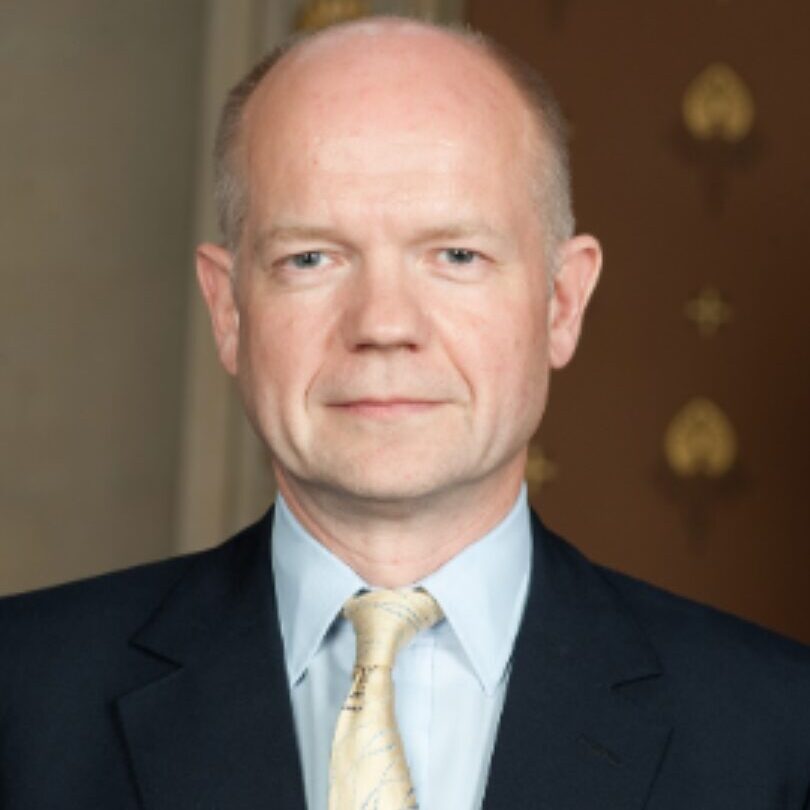
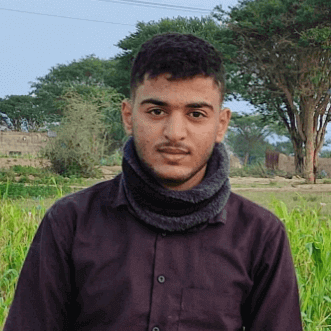
My name is Ali Najafi, and I am from Bamiyan, Afghanistan. I grew up in a community affected by years of conflict and insecurity. Like many young people in my area, I faced immense pressure and had very few choices. In 2019, I made the difficult decision to associate with an armed group, driven by the need to protect my family rather than by any ideological belief. Leaving that path was one of the hardest things I have ever done.
When I returned to my community, I found little support, guidance, or opportunity to rebuild my life. I came to understand how easily young people can be drawn into violence when they have no other options.
This experience is why I am doing this work today. I want to create the safe and structured pathways that I never had. My own experience helps me build trust with the youth I serve in a way that someone from outside the community may not be able to. I believe that with the right support, skills, and opportunities, young people who have been associated with armed groups can rebuild their lives and contribute to peace in their communities.
This is not just a project for me; it is deeply personal, and I am committed to helping others find the path forward that I once struggled to find.
Project Overview
This project supports YANSAG in Bamiyan Province. It provides an integrated pathway to help them reintegrate into their communities and build peaceful, productive lives. The project begins with one-to-one and small group meetings where I sit down with potential participants, explain the program, and listen to their concerns. These sessions are important for building trust and helping participants feel safe and understood.
Once participants join the program, they take part in English language sessions designed to strengthen their communication skills and create opportunities for employment or further education. The classes are practical and focus on everyday English that participants can use in their daily lives. We also offer vocational training in practical skills that are relevant to the local economy. Participants learn skills that can help them find work or start small income-generating activities.
Another important part of the project is psychosocial support. Participants attend group counseling sessions led by a trained facilitator. In these sessions, they can share their experiences, talk about the challenges they face, and begin to work through some of the difficulties they have experienced. The sessions also help them build confidence, develop ways to cope with challenges, and regain a sense of dignity and purpose.
Beyond these core activities, we also organize community dialogue sessions with families and local elders. These gatherings help reduce stigma and encourage families to welcome returning youth back into their communities. The project is designed to remain flexible and responsive to the needs of participants. I maintain regular contact with each person to follow their progress and provide guidance as they move forward.
Background of the Project
In many parts of Afghanistan, young people face a combination of poverty, insecurity, and a lack of opportunities. These conditions can make them vulnerable to recruitment by armed groups. For many, joining is not really a choice, but a way to survive, driven by the need to protect themselves and their families. When young people manage to leave armed groups, they face serious challenges. They are often stigmatized by their communities and may even be rejected by their own families.
Many have little or no formal education, few skills that can help them find work, and no financial resources to start a new life. The psychological impact of what they have experienced also often goes untreated.
There are very few programs in Afghanistan that provide this kind of integrated support for reintegration, and in Bamiyan Province, there are none. This project was developed to address this gap. It is based on an understanding of the local context and the specific needs of YANSAG. The approach addresses not only economic needs, but also psychological well-being and acceptance within the community. It is based on the belief that sustainable peace requires more than simply ending conflict.
It also requires young people to have opportunities, dignity, and hope for the future.
Project Goals
This project aims to achieve several key outcomes. First, the project will help participants develop practical skills that are relevant to the local economy and can help them earn a stable income. Second, the project will support participants' mental health and well-being through structured psychosocial support. Addressing the effects of trauma is important for successful reintegration. Third, the project will help participants access economic opportunities.
Some will receive support to start small income-generating activities, allowing them to support themselves and their families and reducing the risk of returning to cycles of violence. Finally, the project will work with families, community elders, and local leaders to reduce stigma. Through dialogue and awareness-raising, we aim to create a more accepting and supportive environment for young people returning to their communities.
Our Grantees and Their Projects for 2025
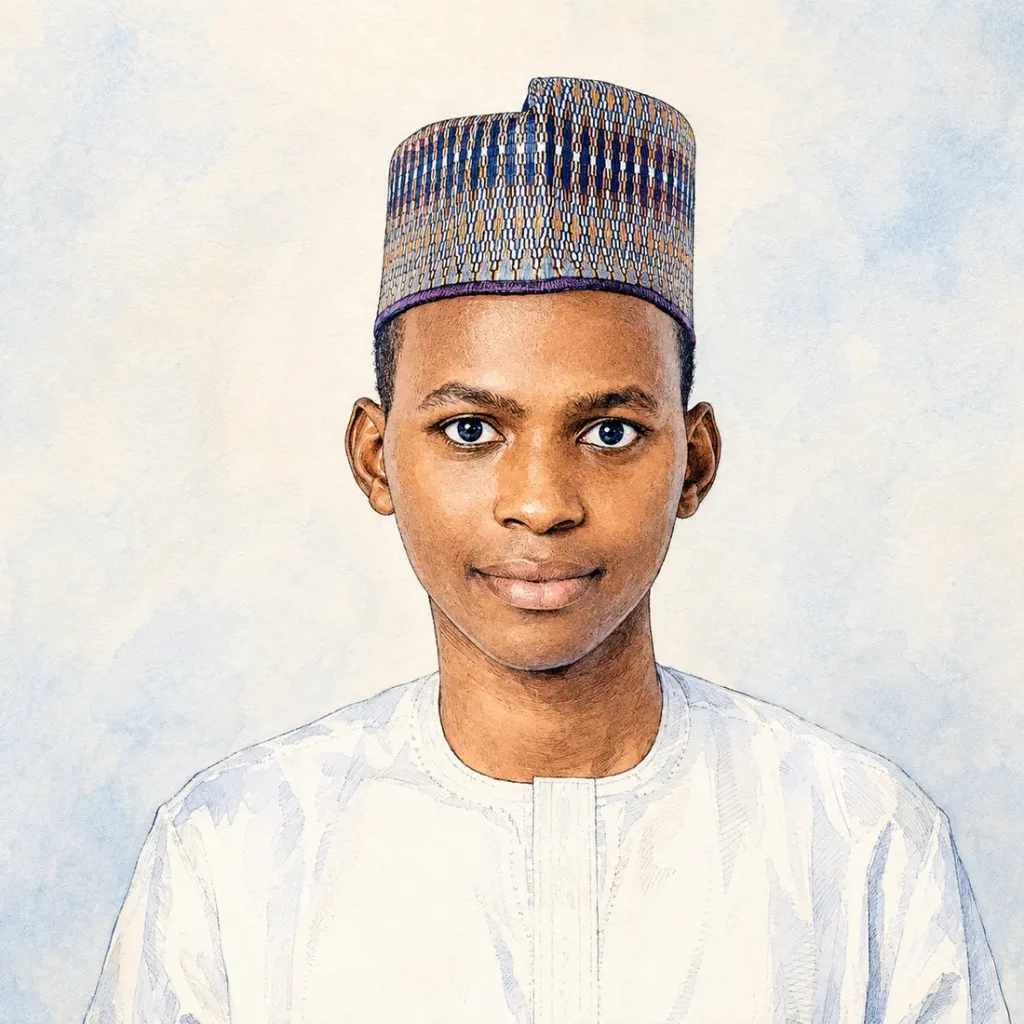
Voices of Peace Fellowship: Empowering Former Youth Combatants in Northeast Nigeria
Grantee: Open Knowledge Development Initiative (as an Organization)
Northeastern region of Nigeria
Personal Introduction and Motivation
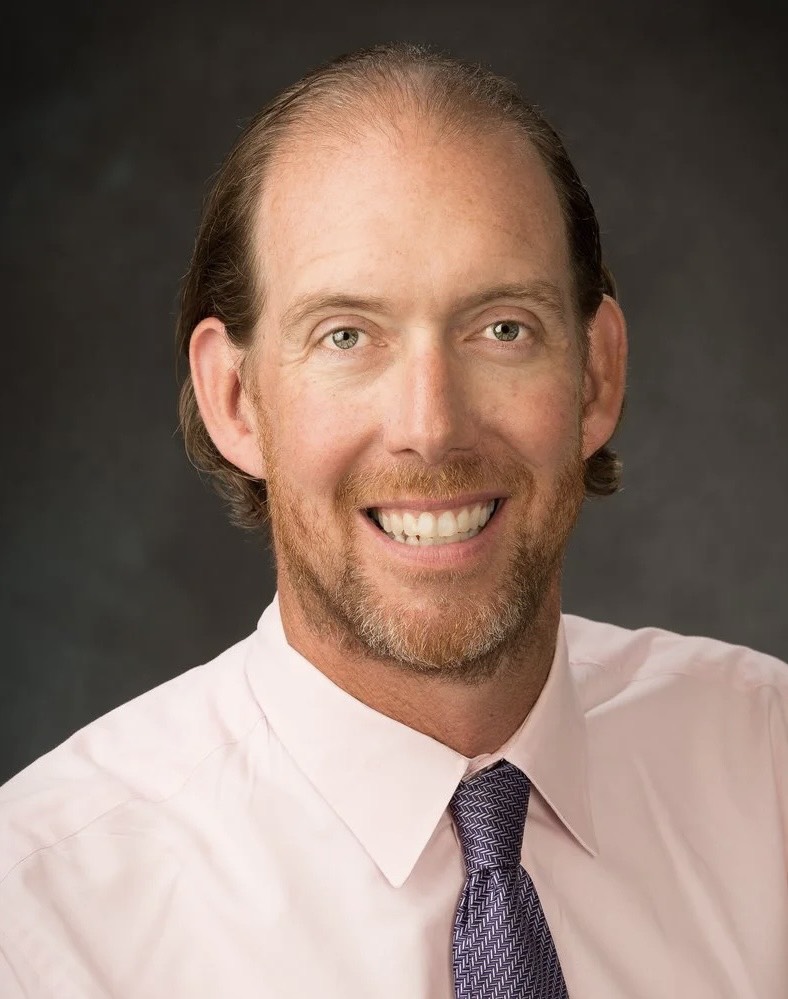
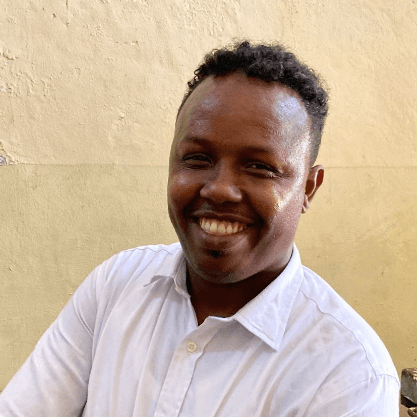
My name is Adamu Usman Garko, a youth development advocate, writer, and the founder of the Open Knowledge Development Initiative—a nonprofit organization working at the intersection of civic engagement, environmental justice, and inclusive development in Nigeria.
Having grown up in the Northeastern region of Nigeria, I have witnessed firsthand the devastating impact of violent conflict, particularly on young people who were forced as combatants due to poverty, lack of education, and systemic marginalization. My motivation for this project stems from a deep commitment to contribute to peacebuilding in the region.
My work has always centered on elevating marginalized voices, and this project represents the next step in my lifelong mission to foster inclusive peace and build resilient communities from within.
Project Overview
The Voices of Peace Fellowship is a youth-led reintegration and peacebuilding initiative aimed at empowering former youth combatants in conflict-affected communities of Northeast Nigeria. The project targets youths between the ages of 18 and 35 who were formerly associated with insurgent groups and are now seeking to rebuild their lives and contribute positively to society.
The fellowship provides comprehensive training in leadership, digital storytelling, peace advocacy, trauma healing, and community engagement. Through a series of workshops, mentorship sessions, public storytelling events, and advocacy campaigns, participants will transform into peace advocates and civic leaders. A key component of the project is the launch of the Youth Peace & Skills Network (YPSN), a platform that will support ongoing mentorship, peer learning, and advocacy beyond the fellowship.
Background of the Project
Northeast Nigeria has faced over a decade of violent conflict due to the Boko Haram insurgency and activities of other extremist groups. Thousands of young people have been forcibly conscripted or recruited due to poverty, lack of education, and systemic neglect. As these young people return to their communities—whether through surrender, escape, or disarmament—they face intense stigma, rejection, and isolation.
Communities are often ill-equipped to support their reintegration, resulting in cycles of re-radicalization, unemployment, and continued insecurity. There is a pressing need for community-based solutions that not only address trauma and skill gaps, and rebuild trust. In addition, young people—both former combatants and their peers—lack platforms to voice their experiences and take part in rebuilding efforts.
This project emerges as a response to that gap, rooted in the understanding that sustainable peace requires inclusive healing, mutual recognition, and youth leadership at the center of reintegration processes.
Project Goals
The Voices of Peace Fellowship seeks to achieve five interlinked goals:
- Empower former youth combatants by providing them with leadership training, storytelling tools, psychosocial support, and digital skills to aid reintegration and personal growth.
- Foster community reconciliation by encouraging fellows to lead peace advocacy campaigns that reduce stigma and rebuild trust with their communities.
- Build a sustainable reintegration model that is community-owned, youth-driven, and adaptable for replication in other conflict-affected regions.
- Promote youth civic engagement through the formation of the Youth Peace & Skills Network (YPSN), enabling ongoing mentorship, dialogue, and advocacy.
- Amplify youth voices and public understanding of reintegration through creative storytelling, public events, and media engagement, including radio programs.
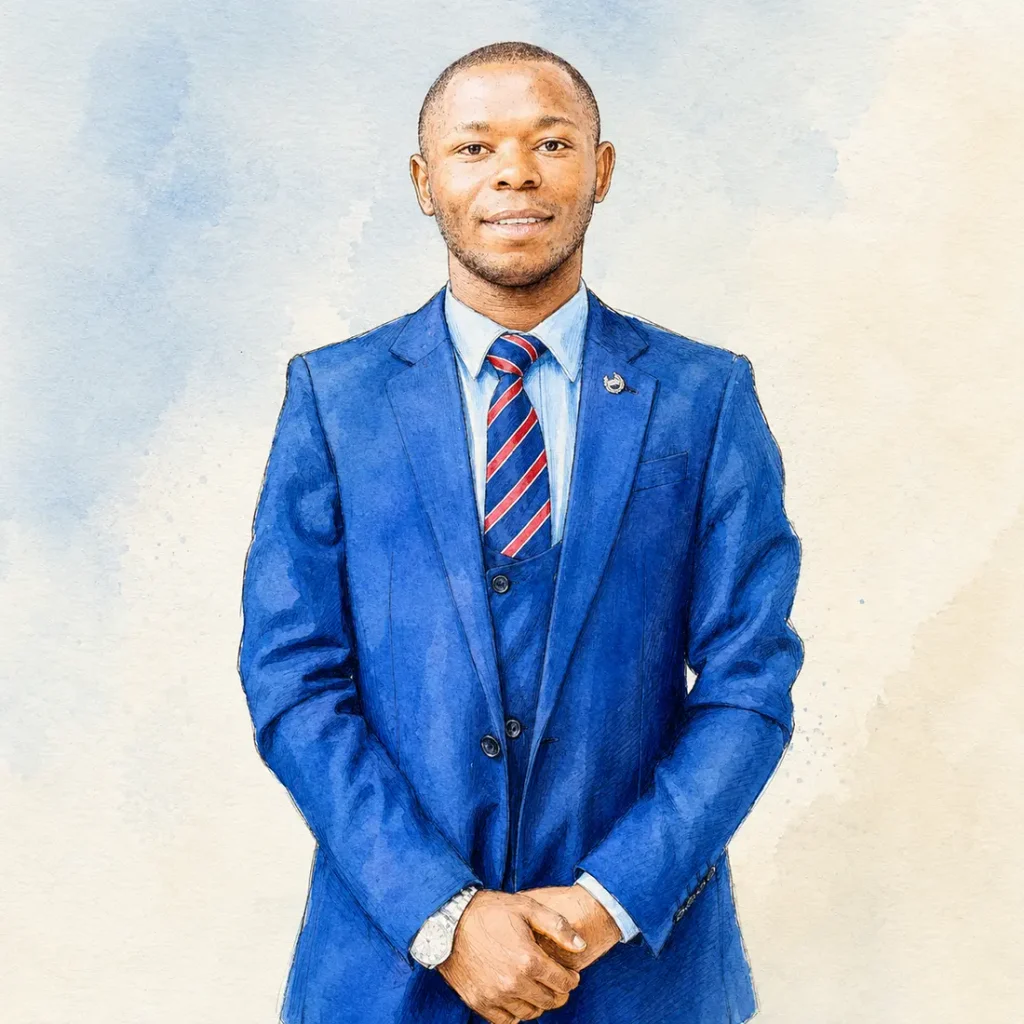
Youth-Led Conflict Prevention, Peaceful Coexistence, and Livelihoods Project in Uvira
Grantee: Unissons-nous tous pour notre paix – LET’S BE ONE FOR OUR PEACE (TUSA) (as an Organization)
Uvira, Democratic Republic of Congo
Personal Introduction and Motivation
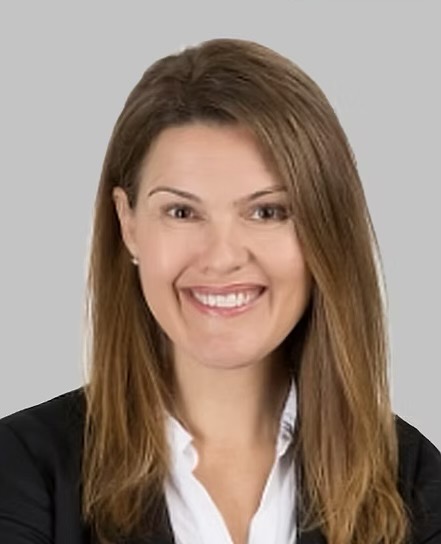
My name is Sylvain Akonkwa Nyamwira, General Coordinator of the NGO TUSA (Unissons-nous tous pour notre paix – LET’S BE ONE FOR OUR PEACE), Deputy Coordinator of the Civil Society Dynamics for Sustainable Development (DSCDD), based in Uvira, in the eastern Democratic Republic of Congo. I hold a degree in Information Technology, and I became involved in humanitarian work to actively contribute to peacebuilding, community resilience, and youth empowerment.
My motivation stems from the realities experienced by my community—marked by armed conflicts, population displacement, and lack of opportunities for youth. I firmly believe that young people can become peacebuilders if they are heard, valued, and supported in their initiatives. Through TUSA, I strive to channel this energy into tangible actions for change.
Project Overview
The project “Raising Awareness on Youth Mobilization for Conflict Management, Intercommunity Peaceful Coexistence, and the Creation of an Income-Generating Activity (IGA) for Youth Reconciliation and Cohabitation” aims to raise awareness, reintegrate, and empower YANSAG, while promoting peaceful coexistence between communities.
Through community dialogues, awareness sessions, and the establishment of Income-Generating Activities (IGAs), the project supports these youths in their socio-economic reintegration process. We emphasize intercommunity mediation, the valorization of local skills, and the creation of a secure environment to enable youth to act as peace ambassadors. The project is participatory and rooted in field realities, with strong community engagement.
Background of the Project
The Uvira region in South Kivu faces recurring intercommunity tensions fueled by poverty, social exclusion, and the presence of armed groups. Youth, often marginalized, are both victims and contributors to this instability.
Many are recruited into armed groups due to the lack of economic and social alternatives. The absence of reintegration mechanisms, mutual distrust between communities, and a lack of dialogue make it difficult to achieve lasting peace. This climate threatens the future of young people and hinders community development.
Our initiative therefore responds to the urgent need to break this cycle of violence by offering youth concrete perspectives for reintegration, reconciliation, and development.
Project Goals
Through this project, we aim to:
- Reduce the recruitment of youth into armed groups by offering sustainable alternatives.
- Promote peaceful coexistence among youth from different communities through dialogue and collaboration spaces.
- Strengthen economic empowerment through IGAs co-developed with the beneficiaries.
- Value the role of youth as agents of change by involving them directly in the design and implementation of activities.
In this way, we hope to lay the foundation for lasting peace led by the youth themselves, while strengthening social ties and solidarity between previously opposing groups.